

Scientific Research
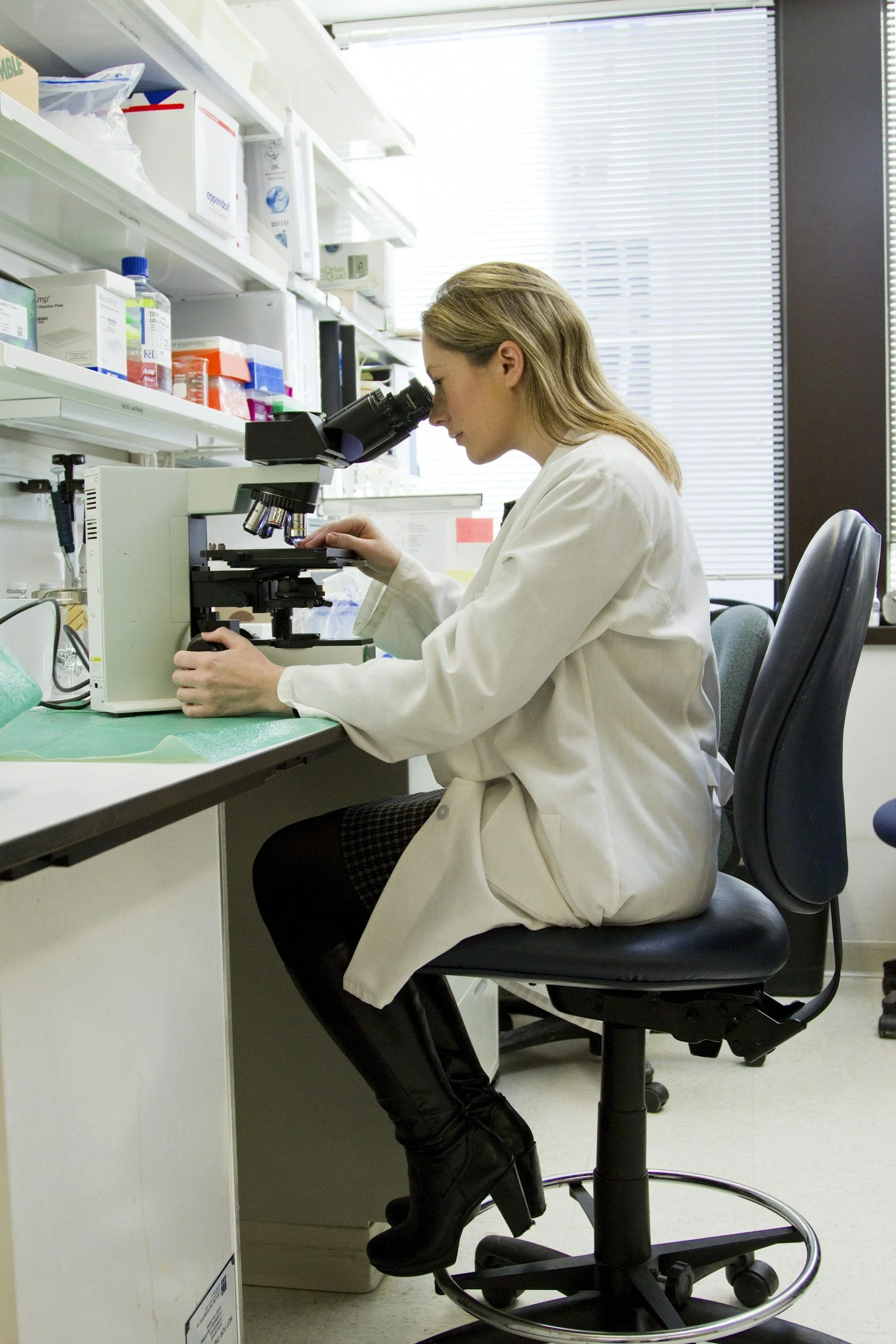
I study how biological systems break down, adapt, and recover.
My work spans molecular neuroscience, neuroimmunology, and systems biology, with a focus on understanding how energy, inflammation, and signaling converge to shape brain function and disease.
-
At the core of my research is the question of why neurons fail.
Using models of neurodegenerative disease, I investigate:
Mitochondrial dysfunction and ATP depletion
Oxidative stress and redox imbalance
Glial regulation of neuronal survival
My work on the MBLAC1/SWIP-10 pathway explores how disruptions in copper homeostasis impair mitochondrial function, elevate oxidative stress, and ultimately drive neuronal degeneration.
-
Copper is essential for life, yet toxic when dysregulated.
I study how copper cycling between Cu(I) and Cu(II):
supports mitochondrial respiration
regulates oxidative stress
contributes to neurodegenerative pathology when disrupted
This work connects metal biology to broader questions of energy metabolism and neuronal vulnerability.
-
Neurons rely on tightly regulated excitatory signaling.
I investigate how:
excess glutamate signaling
calcium dysregulation
impaired glial buffering
lead to excitotoxic damage and progressive neuron loss, particularly in dopamine systems.
-
The brain is deeply connected to the immune system.
My research examines:
microglial activation
cytokine signaling
peripheral-to-central immune communication
and how chronic inflammation contributes to both neurodegeneration and psychiatric conditions.
-
Experience shapes biology across time.
Using models of environmental stress, including maternal separation, I study how early-life conditions:
alter stress-response systems
reshape immune tone
influence long-term brain function and behavior
These changes can increase vulnerability to depression, cognitive decline, and neurodegenerative disease.
-
Rather than viewing depression as a simple neurotransmitter imbalance, I approach it as a systems-level condition.
This includes:
immune activation
metabolic disruption
altered neural signaling
In this framework, depression can be understood as a sickness phenotype, emerging from the interaction of stress, inflammation, and energy dysregulation.
-
Using established models of Alzheimer’s disease, I study:
amyloid pathology
neuroinflammation
synaptic dysfunction
behavioral decline
while focusing on how these features emerge from deeper disruptions in metabolism, immune signaling, and cellular stress.
-
The brain retains the capacity to change.
I explore how adult neurogenesis and neural plasticity are influenced by:
stress
environment
behavior
and how these processes may be leveraged for resilience and recovery.