

Work & Research
Exploring the biology of perception and stress.
My research examines how environmental experiences and psychological states influence biological systems. Key areas include stress physiology, neuroimmune signaling, oxidative stress, and biological adaptation.
Featured Papers
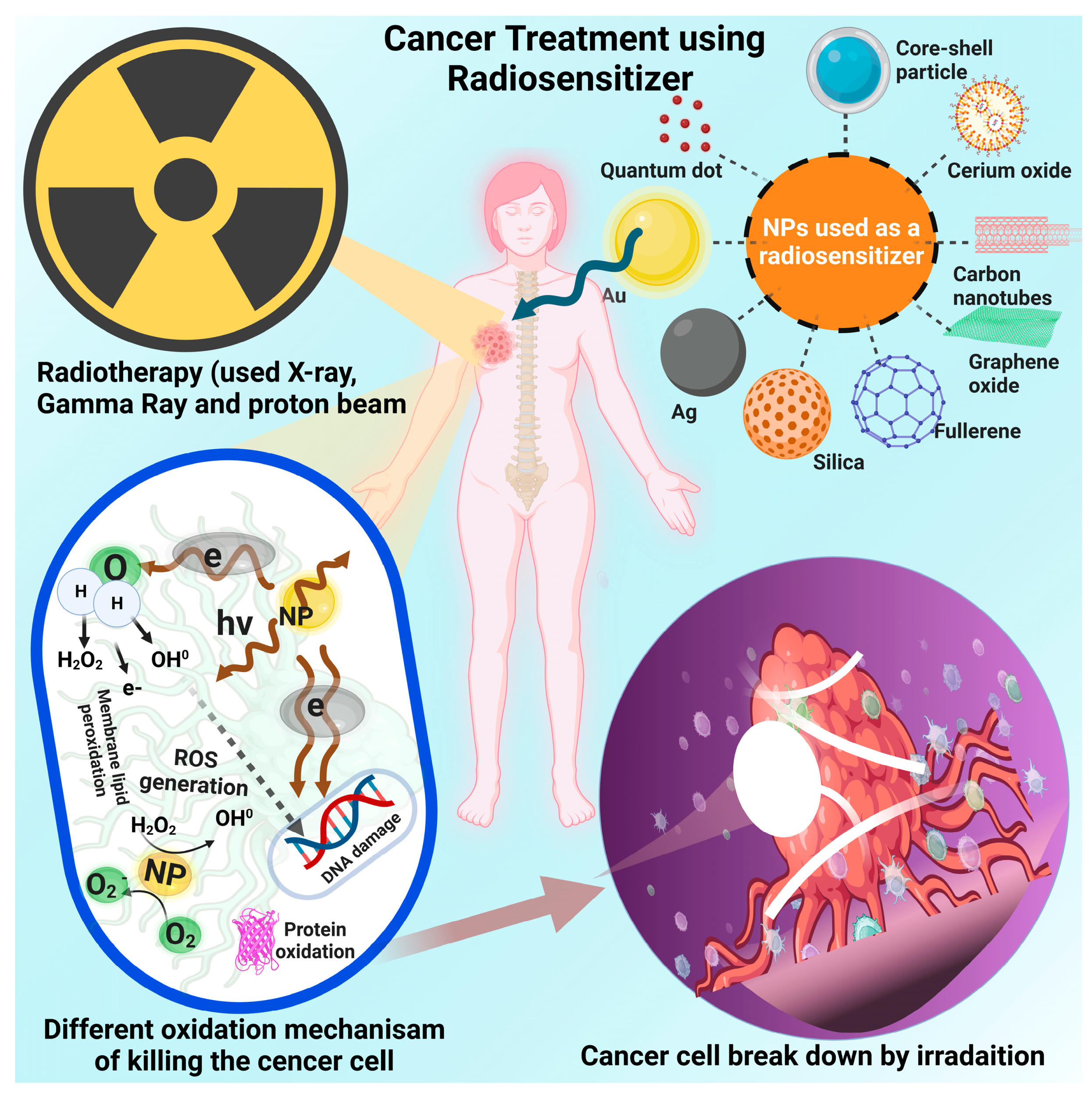
Inorganic Nanoparticles as Radiosensitizers for Cancer Treatment
Dr. Sudipta Seal’s Lab, UCF Advanced Materials Processing and Analysis Center
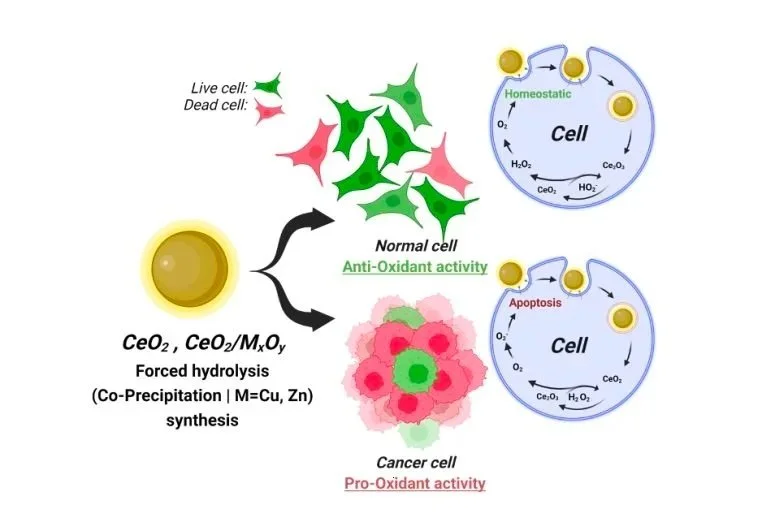
Biomedical Utility of Zinc and Copper Mediated Cerium Oxide Nanoparticles
Dr. Sudipta Seal’s Lab, UCF Advanced Materials Processing and Analysis Center
Current Projects
Where This Leads
My goal is to help build a model of health that is:
mechanistic, grounded in molecular biology
systems-aware, integrating brain, body, and environment
translational, capable of informing real-world interventions
This includes exploring how lifestyle factors—such as stress regulation, movement, and behavior—interact with biological systems to influence outcomes at the level of cells, circuits, and lived experience.
-
The brain does not operate in isolation.
Mood is not only serotonin.
Neurodegeneration is not only protein aggregation.
Health is not only genetics.
Across conditions like Alzheimer’s disease and depression, we repeatedly see the same underlying forces:
Mitochondrial function and energy availability
Oxidative stress and redox balance
Immune signaling and inflammation
Neural excitability and circuit stability
These are not separate problems.
They are interlocking systems.
My work focuses on how disruptions in one domain ripple through the others to shape cognition, behavior, and disease progression.
-
At the molecular level, I study mechanisms such as:
Copper homeostasis and redox biology
Mitochondrial function and ATP production
Glial regulation of neuronal health
Glutamate signaling and excitotoxicity
At the systems level, I study how these processes manifest as:
Neurodegeneration
Cognitive decline
Mood disorders
But I am equally interested in what sits above both:
experience.
-
The body is not only chemical.
It is interpretive.
Every moment is filtered through:
perception
expectation
memory
meaning
These are not abstract states.
They shape:
stress signaling
immune activity
inflammatory tone
long-term physiology
Early-life experiences, such as environmental stress or maternal separation, can recalibrate these systems for life, altering vulnerability to conditions like depression and neurodegeneration.
-
Rather than viewing depression as a simple neurotransmitter imbalance, I approach it as a whole-body state:
A coordinated response involving:
immune activation
metabolic shifts
altered neural signaling
In this sense, depression can be understood as a sickness phenotype—an adaptive, but sometimes maladaptive, biological state shaped by stress and environment.
A Simple Idea, Taken Seriously
At the center of my work is a single question:
How does experience become biology?
And if we can understand that clearly,
we can begin to change it—deliberately, precisely, and at scale.
Unique Lens
Most science studies the body in parts.
A molecule, a pathway, a symptom.
I study the conversation between them.